

When a buyer asks for A7, they are usually not asking for a generic aluminum block. They are asking for a defined purity range, predictable chemistry, and material that will behave consistently in casting, remelting, alloying, and downstream production. That is why the a7 aluminium ingot specification matters. It is not just a line on a quote sheet – it affects yield, conductivity, surface quality, processing stability, and ultimately the cost of finished goods.
For procurement teams and manufacturers, A7 sits in a useful position in the primary aluminum market. It offers high purity suitable for a broad range of industrial applications, while remaining commercially practical for bulk purchasing. If your operation depends on steady input quality, understanding the grade in technical and commercial terms is the difference between buying metal and buying production confidence.
What A7 aluminum ingot actually means
A7 aluminum ingot is generally understood as a high-purity primary aluminum grade with a minimum aluminum content of about 99.7%. The exact presentation can vary slightly across suppliers and trading documents, but the commercial expectation is consistent: this is a standard-grade primary ingot intended for industrial use where reliable chemistry and low impurity levels are required.
In practical terms, A7 is often selected by buyers who need cleaner base metal than lower-purity grades but do not necessarily require ultra-high purity specialty aluminum. That makes it a strong fit for manufacturers balancing cost, performance, and broad application flexibility.
The value of A7 is tied to control. Low impurity content helps support better mechanical consistency, improved corrosion resistance, and dependable conductivity. Those benefits matter in sectors such as cable production, construction components, transportation parts, packaging stock, and general industrial manufacturing.
A7 aluminium ingot specification: key technical points
The core of the a7 aluminium ingot specification is chemical composition. In most commercial descriptions, A7 primary aluminum ingot includes:
- Aluminum content of 99.7% minimum
- Controlled limits for silicon
- Controlled limits for iron
- Trace limits for copper, manganese, magnesium, zinc, titanium, and other residual elements
The exact impurity thresholds can depend on the standard referenced by the producer or the contract terms agreed with the buyer. That is an important detail. Many buyers assume the grade name alone is enough, but in bulk industrial purchasing, the supporting certificate of analysis is what confirms the shipment matches the required chemistry.
Silicon and iron are usually the first impurities buyers review because they have a direct effect on castability, electrical performance, and finished product characteristics. If your process is sensitive to contamination, even small changes in these elements can alter melt behavior or downstream quality.
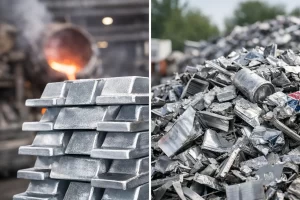
A7 ingots are also expected to meet practical physical standards. Buyers typically evaluate ingot shape, weight tolerance, stacking condition, and surface cleanliness. Excessive oxidation, cracking, moisture exposure, or poor bundling can create avoidable handling and remelting losses. A technically correct chemistry report does not erase problems caused by weak packaging or inconsistent ingot form.
Why purity matters in industrial use
For many operations, the appeal of A7 starts with purity but ends with process efficiency. A cleaner base metal can help reduce correction work during alloying and improve consistency across production runs. That has obvious value if you are operating at scale and monitoring throughput closely.
In electrical applications, higher aluminum purity supports conductivity. In rolling and extrusion operations, it can contribute to more predictable processing. In remelting environments, it can reduce the burden of compensating for unwanted residual elements. These are not abstract benefits. They affect scrap rate, energy use, and the need for additional alloy adjustment.
That said, the right grade still depends on the application. A7 is not automatically the best option for every buyer. If the end product is built around a specific alloy system, the primary concern may be not just high purity but how efficiently the metal can be brought into the target composition. In some cases, another grade may fit the economics better. The right decision comes from matching chemistry to process rather than buying the highest grade available by default.
Common applications for A7 ingots
A7 aluminum ingot is widely used as a feedstock material across multiple industries because it combines purity, workability, and commercial availability. Manufacturers use it for remelting into alloys, producing rolled products, fabricating extrusions, and supporting component production where clean primary metal is preferred.
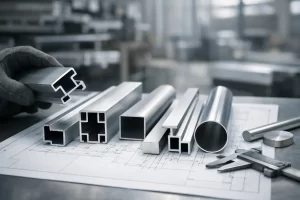
In construction, A7 can be used in the production of frames, panels, profiles, and roofing-related materials where lightweight strength and corrosion resistance are essential. In transportation, it supports parts and semi-finished products that benefit from reduced weight without sacrificing durability. In packaging, it serves as a reliable raw material for products that require clean aluminum inputs and stable forming characteristics.
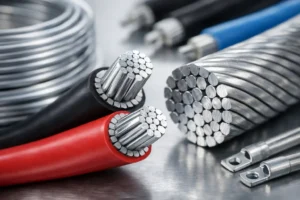
Electrical infrastructure is another major use case. Where conductivity matters, controlled impurity levels become more than a specification detail. They become a performance requirement. Buyers in cable and conductor manufacturing often pay close attention to grade consistency because variation can affect both processing and finished product standards.
What bulk buyers should check before ordering
A7 is a standardized market grade, but smart sourcing still requires verification. Industrial buyers should review more than the headline purity number. A purchasing decision should include the chemistry range, physical condition, packing method, shipment capability, and documentation package.
The most important document is usually the mill test certificate or certificate of analysis. This should show the actual measured composition for the lot supplied. Buyers should also confirm whether the material is primary aluminum, the expected ingot dimensions or weight, and how the bundles are secured for transport and storage.
If you are importing or sourcing for large projects, logistics details matter almost as much as chemistry. Delays, damaged bundles, or poor loading practices can disrupt production planning. For this reason, serious buyers often prefer suppliers that can discuss grade, tonnage, and shipment handling with equal clarity.
For Cameroon-linked sourcing, supply discussions may also include regional industrial relevance, port planning, and alignment with large-volume procurement schedules. A supplier that understands both the specification and the commercial movement of the product is usually better positioned to support repeat orders.
A7 compared with nearby grades
A7 is often evaluated alongside A8, A9, and A6. The difference is mainly purity and the resulting impurity profile. A8 and A9 generally indicate higher aluminum content and lower residual elements, while A6 typically sits below A7 in purity. That does not mean one is universally better. It means each grade serves a different operating requirement.
If your process needs a cleaner input to limit correction steps or meet stricter performance targets, moving upward in purity may make sense. If your application is less sensitive and cost control is the primary factor, a lower grade might be commercially attractive. The trade-off is straightforward: higher purity can improve processing confidence, but buyers should confirm whether that added value is actually needed for the intended product.
This is where specification discipline pays off. Buying A7 because it is widely recognized is reasonable. Buying A7 without checking whether its chemistry, form, and supply terms match your production needs is less efficient.
Quality, supply reliability, and commercial fit
A7 buying decisions are rarely made on chemistry alone. Procurement teams also evaluate supplier reliability, volume availability, consistency between lots, and responsiveness during contract execution. These factors matter because aluminum is often a production-critical input, not a discretionary purchase.
A dependable A7 supplier should be able to explain the grade clearly, provide documentation, support bulk orders, and align supply with industrial timelines. Commercial buyers also benefit from asking practical questions early: Is the material available in the required tonnage? Is the shipment schedule realistic? Are the bundles prepared for export and plant handling? Can the supplier support repeat procurement rather than just spot volume?
At Aluminum Cm, the focus is on supplying industrial buyers with standardized aluminum grades suited to real manufacturing and infrastructure demand. That includes helping buyers understand where a grade like A7 fits best in terms of purity, application, and scalable purchasing.
What the specification tells you about business risk
A clear A7 specification does more than define the metal. It helps reduce uncertainty. When chemistry is documented, physical condition is controlled, and supply terms are realistic, buyers can plan production with fewer surprises. That is especially important in sectors where raw material variation quickly turns into downtime, quality claims, or margin loss.
The best buying approach is practical. Treat A7 as both a metallurgical grade and a commercial input. Review purity, verify impurity limits, confirm packaging and shipment standards, and match the grade to the actual end use. When those pieces align, A7 becomes a reliable foundation for efficient production rather than just another commodity line item.
A good specification should make the purchase easier, not more complicated – and the right supplier should be able to prove the difference before the material ever reaches your plant.
Pingback: A8 Aluminium Ingot Uses in Industry - Aluminum Cm
Pingback: A9 Aluminium Ingot Purity Explained - Aluminum Cm