
A low quoted price on aluminium ingots can look attractive until the first shipment arrives off-spec, underweight, or unsupported by proper documentation. For industrial buyers, how to source aluminium ingots is not just a purchasing task. It is a supply risk decision that affects melt performance, finished product quality, production uptime, and margin.
The right sourcing process starts with knowing exactly what the ingots need to do inside your operation. A manufacturer producing cast components will not evaluate material the same way as a cable producer, a construction materials supplier, or a trading company managing export resale. Purity, conductivity, alloy tolerance, surface condition, and batch consistency all matter, but the priority changes by application.
Start with application before price
Too many buyers start by requesting quotes for generic aluminium ingots without defining the end use. That creates confusion immediately. Aluminium ingots are not interchangeable just because they share a similar appearance or base metal identity.
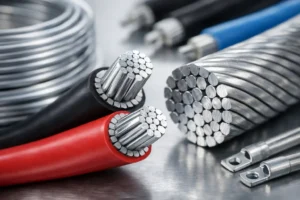
If your operation needs high-purity primary aluminium for remelting, grades such as A7, A8, A9, or A6 may be the right starting point. If the material is intended for electrical applications, conductivity and impurity control become more critical. If it is for manufacturing, automotive parts, packaging, or construction products, your tolerance for trace elements and downstream process behavior should guide the grade selection.
This is where procurement and technical teams need to align. Purchasing may focus on landed cost, but production will deal with porosity, casting behavior, machining performance, or conductivity losses if the wrong grade enters the system. Good sourcing decisions are usually made when commercial and technical criteria are reviewed together rather than separately.
How to source aluminium ingots by grade and specification
The fastest way to improve sourcing quality is to buy against a clear specification sheet instead of a broad product label. When a supplier offers aluminium ingots, the conversation should move quickly from product name to measurable requirements.
Define the grade clearly
Primary aluminium grades such as A7, A8, A9, and A6 are commonly sourced based on purity expectations and industrial suitability. Higher purity grades generally support applications where tighter chemistry control matters. Lower-cost options may still be commercially attractive, but only if the impurity profile works for your process.
A buyer should ask for the declared chemical composition, not just the grade code. Grade labels are useful, but chemistry ranges are what protect your plant from inconsistency.
Confirm physical and commercial details
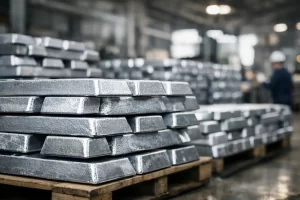
Specification is broader than chemistry. You should also confirm ingot shape, individual unit weight, bundle configuration, total shipment weight, and acceptable tolerance. In many bulk transactions, preventable disputes come from packaging, counting, or weight assumptions rather than metal quality alone.
Commercial details matter just as much. Make sure the quotation states whether pricing is based on spot movement, fixed pricing, or a formula tied to a market reference plus premium. That distinction affects both budgeting and timing.
Evaluate the supplier beyond the quote
A credible supplier should be able to do more than send a price sheet. Industrial aluminium sourcing depends on consistency, and consistency comes from process control, documentation, and fulfillment discipline.
Start by reviewing whether the supplier can provide certificates of analysis, production origin details, and batch-level records. If the business cannot explain where the ingots are produced, how they are tested, or how lots are separated, that is a warning sign. Even when the material itself is acceptable, weak traceability can create problems in regulated or quality-sensitive sectors.
It is also worth asking how the supplier handles repeat orders. A supplier that can deliver one good lot is not necessarily a reliable long-term source. Industrial buyers should understand output capacity, stock position, lead times, and whether the supplier can support scaling demand when a project expands.
For buyers serving multiple markets, geographic supply options can add resilience. A sourcing strategy that can draw from production or trade routes connected to China, Turkey, Vietnam, or Germany may reduce dependence on a single origin and help manage lead-time pressure during tight market conditions. That does not mean every buyer needs multiple origins. It means serious procurement planning should consider supply continuity, not just first-order price.
Check purity, documentation, and testing standards
When learning how to source aluminium ingots effectively, one of the most practical habits is to treat quality documentation as part of the product. If documentation is weak, the offer is incomplete.
Request batch-specific certificates
A certificate of analysis should match the batch being sold. Generic historical test reports are less useful than lot-specific data. The certificate should show the main aluminium content and relevant impurities such as silicon, iron, copper, zinc, and others depending on the grade and application.
Ask about inspection procedures
Find out whether testing is performed in-house, by an independent lab, or both. There is no single answer that fits every transaction. In-house testing can be efficient for established supply relationships, while third-party verification may be appropriate for new suppliers, higher-value contracts, or applications with tighter tolerance requirements.
Match the testing level to the risk
Not every order needs the same level of inspection. A buyer ordering trial volume from a new source should usually apply tighter controls than a buyer reordering from a proven supplier with consistent lot history. The trade-off is cost and speed. More verification can reduce risk, but it can also slow release schedules and increase transaction cost.
Price analysis should include the full landed cost
A cheap ingot can become expensive once freight, insurance, customs handling, storage, and production losses are included. Serious sourcing decisions should compare total landed cost, not just unit price per metric ton.
This is especially important when evaluating imported aluminium against regionally available stock. A lower offshore quote may still lose value if lead times are longer, port handling is uncertain, or payment terms create working capital strain. On the other hand, imported supply can offer better pricing or wider grade availability when managed well.
Buyers should also account for yield and process efficiency. Higher-purity material may cost more upfront but reduce scrap, rework, or melt losses. For many industrial users, that difference is worth more than the initial discount attached to lower-grade material.
Vet logistics and contract terms early
Aluminium ingot sourcing is often treated as a product transaction, but logistics and contract structure can decide whether the order performs smoothly. Before confirming a supplier, review delivery terms, shipment schedules, loading responsibilities, and claim procedures.
If the transaction involves international movement, make sure Incoterms are clearly stated and understood on both sides. Ambiguity around freight responsibility, insurance coverage, or customs clearance can erase any advantage gained during negotiation.
Payment terms also need attention. Advance payment may be standard in some transactions, while other deals support staged payment, letter of credit, or credit terms for established buyers. The right structure depends on order size, supplier relationship, and risk tolerance. Lower-risk payment terms often come with a higher price, so this is another area where trade-offs apply.
Build a sourcing process, not just a supplier list
The best procurement teams do not rely on memory or informal judgment. They build a repeatable process for evaluating aluminium ingot offers. That process should cover grade selection, documentation review, commercial comparison, logistics checks, sample or trial order procedures, and performance review after delivery.
Use trial orders strategically
A trial order is useful, but only if it measures something meaningful. Review the delivered chemistry, physical condition, packaging accuracy, document quality, and on-time performance. Then compare the ingot’s real production behavior against the supplier’s claim.
Track supplier performance over time
A supplier should be judged across multiple deliveries, not one successful order. Consistency in purity, weight, packaging, communication, and schedule adherence is what creates dependable supply.
Keep backup options active
Even strong suppliers can face production delays, shipping disruption, or allocation issues during tight markets. Maintaining at least one qualified backup source gives buyers more negotiating strength and better continuity.
Common mistakes when sourcing aluminium ingots
The most common error is buying by price alone. The second is accepting a grade label without reviewing the actual chemistry. Another frequent mistake is failing to connect procurement decisions with the needs of the production floor.
Some buyers also underestimate the importance of communication. If specifications, tolerances, and shipping terms are not written clearly, both sides may believe they agreed to the same transaction when they did not. That is how avoidable disputes start.
For bulk industrial orders, sourcing works best when the supplier understands the commercial target and the technical use case. That is the standard professional buyers should expect.
Reliable aluminium supply is built long before the truck loads or the container ships. When you source against the right grade, demand proper documentation, and evaluate the total cost instead of the headline quote, you put your operation in a stronger position to buy with confidence and scale without unnecessary risk.