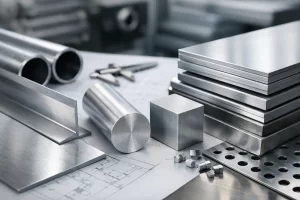

When a bulk aluminium order goes wrong, the problem usually starts long before the truck arrives. It starts with a vague grade request, incomplete technical specs, or a pricing discussion that ignores freight, packaging, or tolerances. The wholesale aluminium order process matters because industrial buyers are not just buying metal by weight – they are buying consistency, application fit, and delivery performance.
For procurement teams, manufacturers, and project buyers, the order process is where commercial risk is either reduced or introduced. A clear process helps align purity, form, volume, logistics, and documentation before funds are committed. That is especially relevant when sourcing aluminium ingots and related industrial aluminium products for construction, power systems, fabrication, transport components, or export distribution.
What the wholesale aluminium order process should accomplish
A proper wholesale aluminium order process is not paperwork for its own sake. Its job is to confirm that the material ordered will perform in the intended application and arrive in a form the buyer can actually use. For example, a buyer sourcing A7 ingots for downstream casting has a different requirement than a distributor purchasing volume for general industrial resale.
This is where grade selection becomes commercial, not just technical. Higher purity can support conductivity, finishing quality, and process consistency, but it may also change cost and availability. Lower-cost material may suit some uses, while high-purity grades are often preferred where tighter quality control matters.
At the same time, the process should define shipment structure. Bulk buyers need clarity on minimum order volume, palletization, unit weight, moisture protection, lead time, and port or warehouse handling. If these details are left open, even good material can become a difficult order.
Step 1: Start with the right aluminium grade and product form
The first step is specifying what you need with enough precision that a supplier can quote accurately. In aluminium, that usually begins with grade. Common wholesale ingot grades such as A7, A8, A9, and A6 are not interchangeable in every operation, even if they are all commercially relevant.
A7 is often chosen where high purity and dependable downstream performance matter. A8 and A9 may fit different cost and processing priorities depending on the buyer’s production method. A6 can also be appropriate in cases where the application supports that chemistry. The right choice depends on your end use, whether that is cable production, metal processing, industrial fabrication, packaging, or another manufacturing line.
Product form matters just as much. Some buyers need standardized ingots for foundry or remelting operations. Others may source specialty forms tied to a narrower industrial process. The more specific the request, the less room there is for avoidable mismatch.
Step 2: Define technical specifications before discussing price
Price gets attention first, but specification controls cost in the long run. Before requesting a final quotation, buyers should confirm purity expectations, chemical composition limits, dimensional preferences where relevant, packaging requirements, and inspection needs. If third-party testing, mill documentation, or batch traceability is required, that should be stated at the inquiry stage.
This is one of the biggest differences between an efficient industrial transaction and a slow one. A supplier can respond much faster when the request includes intended application, required grade, target quantity, delivery location, and any compliance or document requirements. Without that information, quotations may look competitive at first and become less attractive once the missing conditions are added back in.
It also helps to be realistic about tolerances. Not every project needs the same level of certification, and not every use case justifies premium handling or extra testing. Buyers who match the specification to the application usually purchase more efficiently than buyers who over-specify by default.
Step 3: Request a commercial quotation that reflects the full order
A serious quotation should do more than state a per-ton price. It should reflect the actual commercial structure of the order, including grade, quantity, packing, delivery terms, payment terms, and lead time. For wholesale aluminium, total landed cost is often a better buying metric than headline unit price.
This is where experienced buyers ask direct questions. Is the quote based on ex-works, FOB, CIF, or another delivery basis? Does the packing method support port handling and storage conditions? Are there price differences by tonnage tier? Is the lead time based on current stock or future production? These details affect working capital, scheduling, and margin.
In cross-border trade, buyers should also confirm whether the supplier regularly supports export documentation and industrial shipping. That matters for businesses sourcing into markets with strict customs procedures or project deadlines. A low quote can lose value quickly if documentation delays the cargo.
Step 4: Confirm logistics, lead times, and handling conditions
Logistics is where many aluminium orders become expensive. Aluminium is lightweight relative to some metals, but high-volume shipments still require disciplined planning. Buyers should confirm dispatch windows, loading format, container strategy, transport mode, and expected transit time before issuing a purchase order.
Storage and handling also deserve attention. Ingot bundles need to arrive in a condition suitable for inventory or immediate production use. If the material will move through humid environments, coastal ports, or multiple transfer points, protective packaging and shipment timing may need closer review.
For buyers serving projects in China, Turkey, Vietnam, or Germany, lead-time assumptions should be based on actual route conditions, not just supplier estimates. Port congestion, customs review, and inland transportation can all affect the final delivery date. The earlier these variables are built into the order process, the easier it is to protect production schedules.
Wholesale aluminium order process and payment terms
Once technical and logistics details are aligned, the purchase order and payment structure can be finalized. In the wholesale aluminium order process, payment terms are not only a finance issue. They also signal how inventory will be allocated, when production is scheduled, and when shipment preparation begins.
Some orders move against advance payment, while others may use staged terms depending on relationship history, order size, or trade structure. Buyers should confirm what triggers each stage of the order, from quotation approval to packing and dispatch. If inspection is required before shipment, that checkpoint should be written into the agreement.
Document control matters here as well. Commercial invoice, packing list, certificate of analysis, certificate of origin, and any contract-specific paperwork should be identified early. Procurement teams that align finance and logistics documents at the order stage usually reduce downstream delays.
Common mistakes that slow bulk aluminium purchasing
The most common mistake is requesting a quote with almost no technical detail. Asking for a price on aluminium without confirming grade, volume, destination, and application usually results in a weak quote that needs to be revised later. That slows decision-making and can distort supplier comparisons.
A second mistake is buying only on base price. Industrial buyers should compare supply reliability, consistency of grade, packaging quality, and shipment readiness alongside cost. A cheaper order that arrives late, lacks documents, or creates production variation is rarely the better commercial decision.
The third mistake is ignoring application fit. Not every high-purity product is necessary, and not every lower-cost option is suitable. Buyers get better outcomes when procurement decisions are tied to process requirements such as conductivity, remelt behavior, corrosion resistance, or downstream finishing performance.
How to make the order process faster and more reliable
The most effective buyers approach aluminium sourcing with a complete inquiry. They provide the required grade, target tonnage, application, delivery destination, timing, and document requirements in one request. That gives the supplier a practical basis for quoting and reduces unnecessary back-and-forth.
It also helps to standardize internal approvals before going to market. If engineering, procurement, and logistics all have different assumptions about grade or delivery terms, delays are almost guaranteed. A short internal alignment step often saves days later.
For repeat buyers, supplier performance history should shape future purchasing. If a supplier consistently delivers the right grade, on-spec documentation, and commercially usable lead times, that reliability has value. In bulk materials, predictable execution often matters as much as the quoted price.
Aluminum Cm supports buyers who need premium grade aluminium with clear specification alignment and commercial clarity. For industrial purchasers, that combination matters because the best orders are not the fastest ones on paper – they are the ones that arrive ready for production.
A good aluminium purchase starts with precision. If your next order is large enough to affect cost, output, or delivery commitments, treat the process as part of the product and not as an administrative step after the sale.