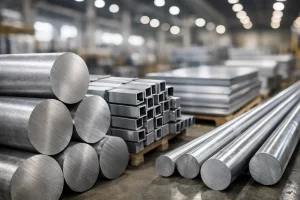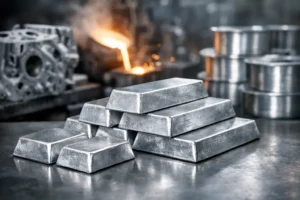

When buyers set out to buy aluminium ingots wholesale, price usually gets the first call. In practice, grade fit, purity consistency, and supply reliability decide whether that purchase supports production or creates expensive problems downstream. For manufacturers, distributors, and project procurement teams, wholesale aluminium buying is a materials decision first and a pricing decision second.
What matters when you buy aluminium ingots wholesale
Aluminium ingots are not interchangeable just because they share a similar shape or base metal. The grade affects conductivity, castability, corrosion resistance, mechanical behavior, and suitability for remelting. A buyer sourcing feedstock for cable production is solving a different problem than a buyer supplying foundries, packaging lines, or transport component manufacturers.
That is why wholesale purchasing starts with application fit. Grades such as A7, A8, A9, and A6 are typically evaluated on purity level and end-use requirements. Higher-purity material is often preferred where conductivity, refined alloying control, or strict quality output matters. In other use cases, a buyer may accept a different grade profile if the downstream process is less sensitive and the economics are stronger.
The practical point is simple. A lower quoted price per metric ton does not mean lower total cost. If the material introduces melt loss, chemistry variation, or added process correction, the apparent savings disappear quickly.
Start with end use, not just tonnage
The most disciplined procurement teams define the job before they request the quote. If the ingots will be used in electrical infrastructure, purity and conductivity usually carry more weight than a narrow price advantage. If the destination is general manufacturing or alloy production, the buying criteria may shift toward remelting behavior, batch consistency, and delivery scheduling.
Construction-related demand adds another layer. Aluminium used for frames, profiles, panels, or fabricated parts benefits from the metal’s low weight, corrosion resistance, and strong performance in exposed environments. In those cases, buyers are often thinking several steps ahead. They are not just buying ingots. They are buying stable input for extrusion, casting, rolling, or fabrication.
Transportation and machinery buyers also tend to focus on repeatability. Lightweight metal can improve fuel efficiency, handling, and manufacturing flexibility, but only if supply stays consistent enough to support continuous output. A single inconsistent batch can slow production planning and quality control.
Common grade questions from industrial buyers
The first question is usually about purity. The second is whether a specific grade is the best fit for the intended process. A7, A8, A9, and A6 ingots are often compared by buyers looking for a balance between purity level, application suitability, and commercial availability.
Higher purity can be a strong advantage, but not every buyer needs the highest available grade. For some operations, the right answer depends on alloy targets, furnace setup, tolerance thresholds, and final product specification. That is why a serious supplier should discuss the application, not just send a number.
The real checkpoints in a wholesale aluminium inquiry
Industrial buyers usually benefit from a tighter inquiry process. Instead of asking only for price and minimum order quantity, ask for the material details that affect production performance.
Purity specification should be clear. So should the ingot grade, weight format, and any information on expected chemistry consistency across batches. If your process is sensitive, ask how the supplier handles quality verification and shipment traceability. If your buying cycle is tied to projects or export schedules, confirm lead times and how volume commitments are managed.
There is also a logistical side that buyers sometimes underestimate. Large-volume metal purchasing is not just about sourcing. It is about timing, warehouse handling, freight coordination, and how quickly material can move from receipt into usable production stock. The best wholesale purchase is one that matches both your technical requirements and your operating rhythm.
Buy aluminium ingots wholesale with fewer sourcing mistakes
One common mistake is buying too generically. Buyers request aluminium ingots without defining application, target grade, or acceptable chemistry range, then spend time sorting through quotes that cannot be compared fairly. Another mistake is treating all suppliers as traders with similar control over supply. In industrial metals, actual sourcing capability matters. A supplier that understands grade segmentation and end-use fit can reduce risk before the order is placed.
A third mistake is failing to account for the commercial cost of inconsistency. Material that arrives below expectation may create production delays, rework, excess testing, or customer quality disputes. For manufacturers and distributors, those costs often exceed the initial spread between two offers.
This is especially relevant in markets tied to infrastructure, packaging, transport, and industrial fabrication, where delivery schedules and output quality are closely linked. Buyers in these sectors usually need more than available tonnage. They need confidence that the ingots will perform as expected under real production conditions.
Why Cameroon-linked supply interest is growing
For buyers evaluating sourcing channels, Cameroon has growing relevance because of its connection to aluminium sector potential and upstream raw material resources, including bauxite. That does not automatically make every offer equal, but it does make the market worth watching for businesses interested in long-term aluminium availability and industrial supply positioning.
For procurement teams in trading and manufacturing hubs such as China, Turkey, Vietnam, and Germany, this can matter when comparing future supply relationships, not just spot purchases. The advantage is not a slogan. It is the possibility of building sourcing plans around material access, industrial demand, and application-specific product availability.
How industrial buyers compare suppliers
A capable aluminium supplier should be able to speak in commercial and technical terms at the same time. Buyers need clear answers on grade availability, purity, volume, packaging, lead time, and use-case suitability. If those answers are vague, the risk is usually pushed onto the customer.
Strong suppliers also understand that different buyers measure value differently. A distributor may prioritize scalable volume and predictable replenishment. A manufacturer may care more about chemistry consistency and process compatibility. An exporter may focus on documentation, shipment timing, and batch coordination.
This is where a specialized source adds value. A supplier focused on aluminium ingots and related industrial products is better positioned to guide grade selection than a general commodity seller moving mixed materials. If your business is comparing bulk ingot options for manufacturing or resale, that specialization can shorten procurement time and improve buying accuracy.
Price still matters, but context matters more
No industrial buyer ignores price. The issue is how price is interpreted. A quote only becomes useful when you understand what it includes in grade, purity, availability, and supply confidence. Two offers that look close on paper may be very different once you account for quality assurance, shipment dependability, and suitability for your process.
This is why experienced buyers often evaluate total procurement value rather than chasing the lowest figure. They want metal that supports throughput, limits avoidable waste, and reduces the chance of disruptions. In many operations, that approach protects margins better than an aggressive low-price purchase.
For businesses sourcing ingots as production input, aluminium’s commercial appeal remains strong. It is lightweight, corrosion-resistant, strong for its weight, and widely used across construction, electrical systems, transportation, packaging, aerospace, and industrial manufacturing. Those advantages only translate into results when the wholesale purchase is aligned with the job.
If your next order needs to support real output, not just fill inventory, start with the grade, confirm the specification, and buy from a supplier that understands industrial use. For buyers ready to evaluate options, Aluminum Cm provides a focused route into bulk aluminium sourcing through https://aluminumcm.com/.
The smartest wholesale purchase is usually the one that makes production easier six weeks from now, not just the one that looks cheapest today.