
Salt air, humidity, industrial chemicals, and outdoor exposure can shorten the service life of metal components fast. That is why corrosion resistant aluminium products remain a practical choice for buyers who need low weight, dependable durability, and consistent performance across construction, transport, electrical, and manufacturing applications.
Aluminium does not resist corrosion in the same way stainless steel or coated carbon steel does. Its advantage comes from a natural oxide film that forms quickly on the surface and helps protect the base metal underneath. In many industrial settings, that built-in protection is enough to deliver long service life with less maintenance, lower replacement frequency, and better lifecycle value.
Why corrosion resistance matters in aluminium products
For procurement teams and manufacturers, corrosion resistance is not just a materials question. It affects downtime, appearance, structural integrity, maintenance budgets, and product reputation. A component that performs well in dry indoor use may fail early in coastal, wet, or chemically active environments.
Aluminium is often selected because it balances several commercial advantages at once. It is lightweight, workable, conductive, and widely used across multiple sectors. When corrosion resistance is added to that profile, the material becomes even more valuable for applications where exposed surfaces, outdoor installation, or long service intervals are part of the operating reality.
This is especially relevant in building systems, cable-related components, transport parts, storage systems, packaging, and fabricated industrial goods. In each case, resistance to corrosion can reduce total ownership cost, even if the initial material price is not the only factor in the buying decision.
How corrosion resistant aluminium products work
The corrosion resistance of aluminium starts at the surface. When aluminium is exposed to air, it develops a thin oxide layer. That layer helps shield the metal from further attack. If the surface is damaged, the oxide can reform under many conditions, which is one reason aluminium performs well in general atmospheric exposure.
That said, corrosion resistance is not universal. It depends on alloy composition, fabrication method, surface treatment, thickness, and the environment in which the product will operate. Chlorides, strong alkalis, poor drainage, galvanic contact with dissimilar metals, and trapped moisture can all change performance.
For industrial buyers, this means product selection should focus on application fit rather than broad claims. Two aluminium products may both be called corrosion-resistant, but one may be better suited for marine-adjacent structures while another performs best in enclosed manufacturing equipment or dry electrical use.
Alloy choice changes performance
Pure aluminium and high-purity aluminium typically offer strong corrosion resistance, but they may not provide the mechanical strength required for every use. Alloyed products improve strength, machinability, or formability, though sometimes with trade-offs in corrosion performance.
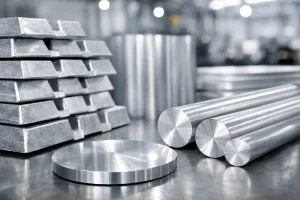
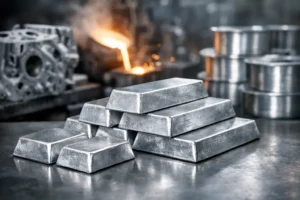
In commercial supply, purity grade and intended end use matter. Buyers sourcing aluminium ingots for downstream production need to think beyond chemical composition alone. If the final product will be used in exposed architectural systems, transport assemblies, or utility applications, the selected input material should support the corrosion and strength profile required after casting, rolling, or extrusion.
Surface treatment can improve results
Anodizing, coating, and proper finishing can extend service life in aggressive conditions. These treatments do not replace good alloy selection, but they can add another layer of protection and improve appearance retention. For visible components, that can be a major commercial advantage.
The trade-off is cost and process complexity. Not every product needs extra finishing. In many industrial applications, mill finish aluminium already performs well enough. The right decision depends on exposure conditions, design life, and whether aesthetics are part of the specification.
Common applications for corrosion resistant aluminium products
Construction is one of the largest end markets for corrosion-resistant aluminium. Roofing systems, curtain wall framing, window components, cladding, railing, structural trim, and drainage products all benefit from a metal that handles outdoor exposure while keeping installation weight manageable.
In transportation, aluminium is valued for its strength-to-weight ratio and fuel-efficiency benefits, but corrosion resistance is just as important. Trailers, body panels, cargo systems, marine-adjacent transport parts, and rail components often face moisture, road salts, and fluctuating temperatures. A lighter metal is useful, but a durable one protects the asset longer.
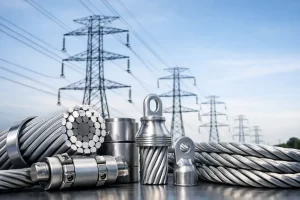
Electrical infrastructure also uses aluminium because of conductivity and low weight. In these applications, corrosion resistance supports reliability, especially where components are exposed to weather or variable environmental conditions. Conductive performance can be undermined if corrosion is not considered early in material selection and system design.
Packaging and processing equipment provide another strong use case. Aluminium can resist many forms of atmospheric and product-contact degradation while remaining easy to form and fabricate. For manufacturers, that supports cleaner production, lower contamination risk, and longer line life.
What buyers should evaluate before sourcing
Industrial buyers should treat corrosion resistance as a specification issue, not a marketing label. The first question is where and how the product will be used. Indoor dry conditions, exterior urban exposure, coastal infrastructure, and chemical processing all create different demands.
The second issue is product form. Ingots, sheets, coils, extrusions, cast parts, and fabricated assemblies do not perform identically once they enter service. The corrosion behavior of a finished component depends on processing history as much as base material.
The third consideration is contact with other materials. Aluminium can face galvanic corrosion when joined improperly with more noble metals in the presence of an electrolyte. This does not mean aluminium is a poor choice. It means system design matters. Fasteners, coatings, isolation materials, and drainage details can all influence long-term results.
Ask for material clarity, not vague claims
A serious supplier should be able to explain purity, grade, intended application fit, and volume capability. That is especially important for bulk procurement, where a mismatch between material and end use can create expensive downstream problems.
For example, buyers evaluating aluminium ingots for manufacturing should confirm whether the supplied grade aligns with the mechanical, casting, and corrosion requirements of the finished part. Grades such as A7, A8, A9, and A6 may support different downstream priorities depending on the production route and quality target.
Volume supply matters when projects scale
Corrosion performance is only one part of a purchasing decision. Buyers also need continuity of supply, consistent chemistry, and dependable lot quality. Large projects in construction, infrastructure, and industrial manufacturing cannot afford specification drift between shipments.
That is where supplier capability becomes commercially relevant. A supplier serving markets such as China, Turkey, Vietnam, and Germany may help buyers manage broader sourcing requirements, especially when bulk aluminum inputs are needed for repeat production or export-oriented manufacturing.
Where corrosion resistance has limits
No material is immune in every setting. Aluminium can pit in chloride-rich environments, suffer attack in highly alkaline conditions, or underperform when poor design traps moisture against the surface. Surface contamination and fabrication defects can also affect results.
This matters because some buyers overgeneralize aluminium as maintenance-free. It is more accurate to say it is low-maintenance in the right application. Good drainage, proper joint design, suitable finishing, and correct alloy selection are still necessary.
There is also a strength trade-off in some cases. A product optimized for maximum corrosion resistance may not be the best fit where high structural load or wear resistance is the main concern. Buyers need to balance corrosion protection with mechanical performance, fabrication needs, and price.
Corrosion resistant aluminium products in bulk supply strategy
For wholesalers, manufacturers, and project buyers, aluminium purchasing works best when material selection is tied directly to end-use performance. Corrosion-resistant properties should be considered early, alongside purity, weight targets, conductivity, strength, and finishing requirements.
This is especially relevant when sourcing primary material for downstream conversion. High-quality aluminium inputs can support better casting consistency, cleaner finishing, and stronger long-term performance in the final product. That creates value far beyond the raw metal cost.
Aluminum Cm positions this discussion where it belongs – at the intersection of technical suitability and commercial supply. Buyers do not just need metal. They need product-grade clarity, scalable volume, and confidence that the material will perform once it enters fabrication and field use.
When corrosion is a real operating risk, aluminium remains one of the most commercially efficient options available, provided the grade, processing route, and application are aligned from the start. The best buying decision is rarely the cheapest ton on paper. It is the material that stays serviceable, saleable, and dependable long after installation or production begins.