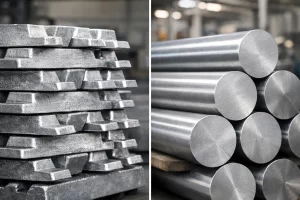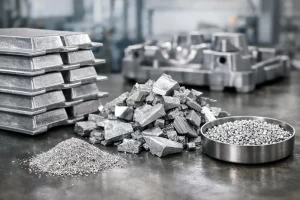
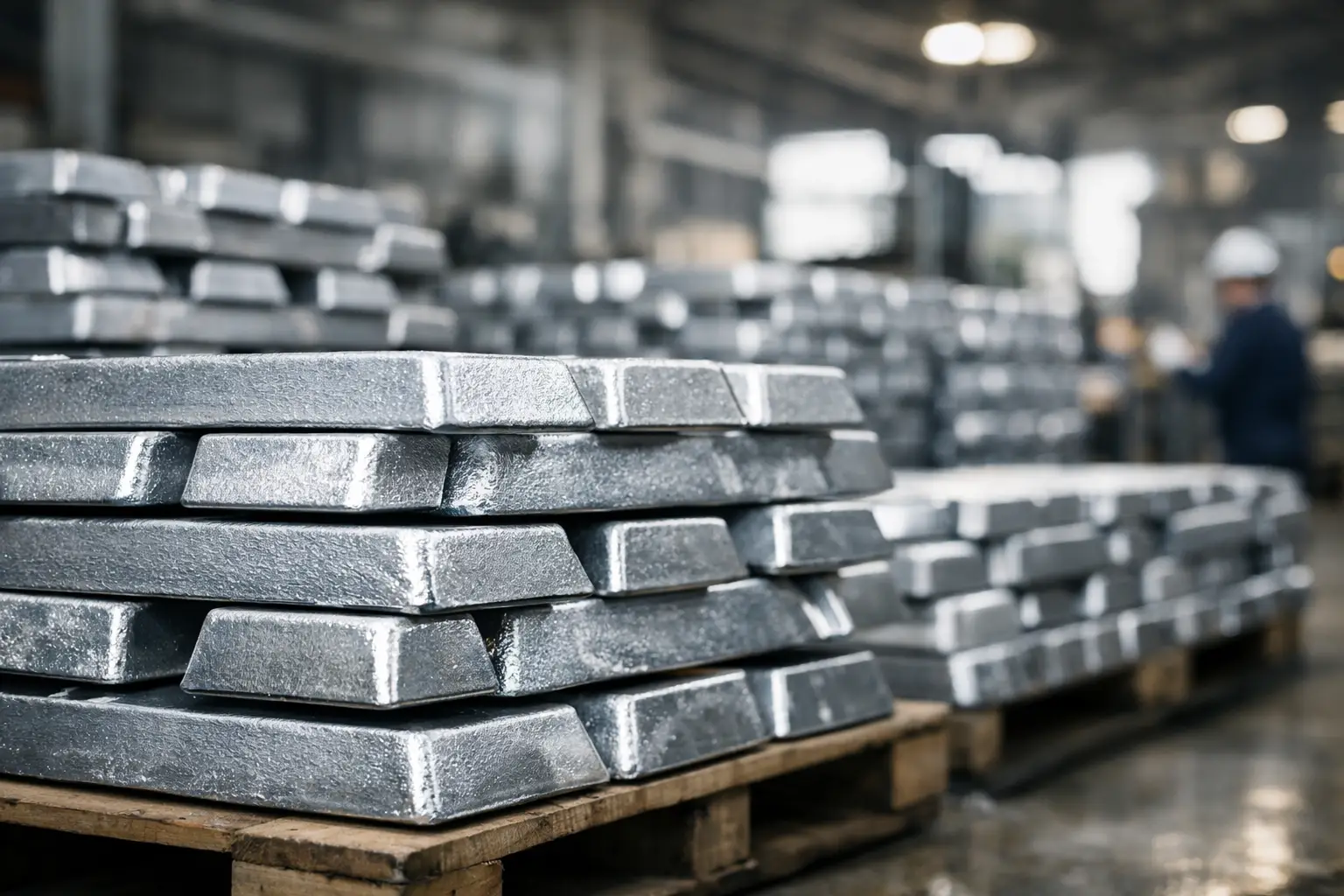
When a buyer asks for an a6 aluminium ingot review, the real question is usually not whether the grade is usable. It is whether A6 is the right fit for the process, the margin target, and the production standard on the other side of the purchase order. That is where a grade review becomes commercial, not just technical.
A6 aluminum ingot sits in a practical middle ground for many industrial buyers. It is valued because it offers high aluminum content, good corrosion resistance, light weight, and broad downstream usability across manufacturing environments. For procurement teams buying in bulk, that combination matters more than a headline purity number alone.
What A6 aluminum ingot is really judged on
In industrial purchasing, A6 is not reviewed in isolation. It is compared against adjacent grades such as A7, A8, and A9, and measured against the actual performance demands of casting, remelting, extrusion input, alloy production, and fabricated component manufacturing. If a buyer is too focused on grade labels without considering process tolerance, they can overbuy purity or underbuy consistency.
A6 aluminum ingot is generally selected where strong baseline purity is required, but the application does not justify moving into a higher-grade specification that may increase cost without delivering a meaningful production advantage. This is why A6 remains commercially relevant. It supports volume manufacturing while still delivering the key benefits aluminum buyers expect – corrosion resistance, conductivity, formability, and a favorable strength-to-weight profile.
A6 aluminium ingot review: strengths that matter in production
The biggest strength of A6 is balance. It is a premium industrial input, but not always the most expensive route to reliable output. Buyers in construction supply, electrical component production, transportation manufacturing, and general metal processing often evaluate A6 because it supports repeatable downstream use without pushing sourcing costs unnecessarily high.
Its lightweight profile remains one of the most obvious benefits. For manufacturers producing parts where mass reduction affects shipping cost, fuel efficiency, handling, or installation speed, aluminum ingot selection has a direct operational impact. A6 helps preserve that advantage while keeping the material commercially viable for scale.
Corrosion resistance is another reason this grade continues to attract industrial demand. In outdoor infrastructure, fabricated enclosures, transport parts, and packaging-related applications, resistance to environmental degradation influences service life and replacement cycles. A6 is well positioned where buyers want dependable performance in real operating conditions, not just acceptable lab values.
Conductivity also supports its market relevance. While exact suitability depends on the downstream alloy and manufacturing route, A6 can be a useful input for applications tied to electrical infrastructure and conductive components. Buyers still need to match the grade to the final specification, but A6 gives a solid starting point for many industrial processes.
Where A6 works best
A6 is often a sensible choice for buyers producing semi-finished and finished aluminum goods at volume. That includes rolling mills, casting operations, general remelters, parts manufacturers, and industrial processors that need a clean and dependable feedstock.
In construction-related manufacturing, the grade can support products that benefit from corrosion resistance and reduced weight, including profiles, fittings, panel-related materials, and fabricated metal elements. In transportation, the advantage is usually tied to weight reduction and manufacturability. In packaging and consumer-facing industrial goods, the appeal is more about material cleanliness, consistency, and forming behavior.
There is also relevance in export-oriented production. Buyers serving multiple markets often want a grade that is broadly accepted across common manufacturing needs without narrowing their options. A6 can meet that requirement when the downstream specification does not demand the highest available purity bracket.
The trade-offs buyers should not ignore
No serious a6 aluminium ingot review is complete without discussing where it may not be the best option. A6 is strong as a versatile industrial grade, but versatility is not the same as being ideal for every application.
If a process is highly sensitive to trace impurities, a higher-purity grade may be the smarter purchasing decision. That is especially true when the finished product has strict metallurgical, electrical, or surface-quality requirements. Saving money on the ingot can become expensive if it creates yield loss, quality rejection, or additional refining steps later.
The opposite issue can happen too. Some buyers specify higher grades out of caution when A6 would have performed just as well. This is common in procurement environments where technical and commercial teams are not closely aligned. In that case, the business ends up paying for purity headroom that the production line never actually uses.
That is why grade review has to connect to application review. The right question is not whether A6 is good. The right question is whether A6 is good for your exact process window.
How to evaluate A6 before placing a bulk order
Industrial buyers should review more than the nominal grade name. A dependable supplier should be ready to discuss purity range, chemical composition, physical form, ingot weight tolerance, packaging method, and inspection documentation. These details affect warehouse handling, remelting efficiency, batch consistency, and finished product quality.
Composition control is the first checkpoint. Buyers need to know what impurity thresholds are acceptable for their process and whether the supplier can provide consistent production lots. One shipment that tests within range is not enough if the next lot varies and disrupts line performance.
Surface condition also matters more than some buyers expect. Clean ingots help reduce avoidable process inefficiencies, contamination risk, and material handling issues. For high-volume users, small inconsistencies become expensive over time.
Then there is the question of supply reliability. Bulk aluminum purchasing is rarely about one truckload or one container. It is about whether the supplier can maintain volume, repeat quality, and shipping discipline over multiple cycles. For buyers sourcing into active manufacturing schedules, that consistency can matter as much as the grade itself.
Comparing A6 with nearby grades
A6 is often reviewed against A7, A8, and A9 because those grades represent different balances of purity and cost. While exact commercial decisions depend on specification and sourcing conditions, the broad pattern is straightforward. As purity increases, application flexibility may improve for more demanding end uses, but the cost basis often rises as well.
That does not make higher grades automatically better. A higher-grade ingot only creates value when the downstream process can use that added material quality. For many manufacturers, A6 remains attractive because it delivers a strong industrial standard without forcing them into unnecessary input costs.
For buyers operating across sectors such as construction products, industrial fabrication, and machinery components, A6 can be the practical procurement grade. For specialty electrical, high-precision, or highly sensitive manufacturing, the review may point upward to a more refined option. This is where supplier guidance becomes useful. A commercially focused supplier should help narrow the grade to the application instead of pushing a one-size-fits-all answer.
Why sourcing context matters
The same A6 ingot can perform differently in commercial terms depending on where and how it is sourced. Freight timing, inspection standards, origin documentation, and packing condition all affect the landed value of the material. This is especially relevant for buyers coordinating supply across industrial hubs such as China, Turkey, Vietnam, and Germany, where manufacturing schedules and import expectations can vary by market.
For that reason, a good A6 review should include logistics and supply-chain discipline alongside metallurgy. A strong material spec loses value if delivery is late, packaging is poor, or documentation is incomplete.
Final take for industrial buyers
A6 aluminum ingot earns its place because it is commercially efficient, technically useful, and broad enough for many manufacturing environments. It is not the answer to every specification, and it should not be treated like a default grade without review. But for many bulk buyers, it offers the right blend of purity, corrosion resistance, lightweight performance, and procurement practicality.
If you are evaluating A6 for large-volume purchasing, the smartest move is to match the grade to the real demands of your process, not the most aggressive specification on paper. That is where better buying decisions usually start.